
You fired up your electric chainsaw for an afternoon of pruning or log-splitting — and twenty minutes later it stutters, slows down, or shuts itself off completely. Sound familiar? Overheating is the most common complaint among electric chainsaw owners, and it happens far more often than the manuals let on. This guide explains exactly what causes it, how to spot it early, and what you can do right now to keep your saw running cool.
Here is the thing — electric chainsaws are incredible tools: quiet, clean, easy to start, and low-maintenance. But they do have one genuine vulnerability compared to gas saws: heat management. Understanding why they overheat puts you firmly in control.
Let us dig into everything you need to know.
Yes, Electric Chainsaws Can Overheat — Here’s the Real Story
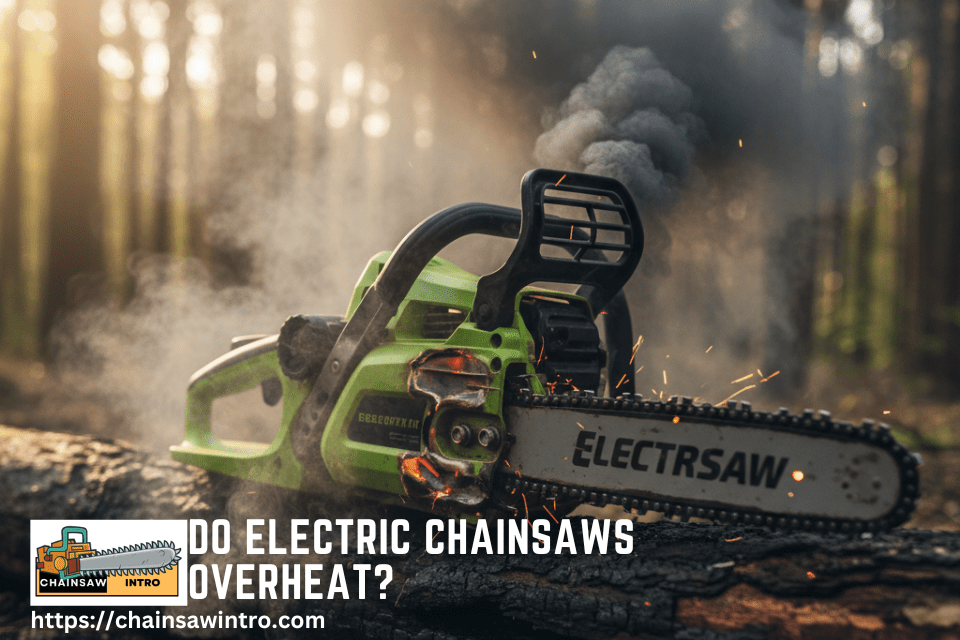
The short answer is yes — both corded and cordless electric chainsaws can overheat under certain conditions. Unlike gas chainsaws, which have cooling fins and air flow built around a combustion engine, electric motors generate heat differently and can be more sensitive to sustained high loads.
Here is what most buyers do not realize: overheating in electric chainsaws is not usually a defect. It is almost always a symptom of one or more identifiable causes — most of which are completely preventable once you know what to look for.
| Quick Fact: Most electric chainsaw motors are rated for a specific duty cycle — the percentage of time they can run continuously before needing to cool. Many consumer-grade corded saws have a 40-60% duty cycle, meaning they need a rest break roughly every 20-30 minutes of continuous use. |
Corded vs Cordless: How Overheating Differs
Not all electric chainsaws overheat in the same way. The type of saw you have — corded or cordless — determines the most likely cause and the best fix.
Corded Electric Chainsaws
Corded models draw continuous power from the mains and tend to overheat in the motor windings when pushed past their duty cycle. Common culprits include running at full throttle for too long, using an undersized extension cord that causes voltage drop, or cutting material that is too dense for the motor rating.
Cordless (Battery-Powered) Chainsaws
Battery-powered models have two heat sources: the motor and the lithium-ion battery pack. Either can trigger a thermal protection shutdown. Running a battery near its discharge limit, charging immediately after heavy use, or working in hot ambient temperatures can all cause the battery management system (BMS) to cut power as a safety measure.
| Important: Modern cordless chainsaws include built-in thermal protection. When the motor or battery reaches a set temperature threshold, the tool automatically shuts down. This is a safety feature, not a fault — but it is telling you something needs to change. |
7 Root Causes of Electric Chainsaw Overheating
Understanding the cause is the fastest path to the fix. Here are the seven most common reasons your electric chainsaw is running too hot:
1. Extended Continuous Use
Electric motors are not designed to run at full load indefinitely. Running your saw hard for 30+ minutes without a break allows heat to build up in the windings and motor housing faster than it can dissipate. This is the single most common cause of overheating.
2. Dull or Improperly Tensioned Chain
A dull chain does not cut — it drags. When the chain cannot bite cleanly through wood, the motor works harder to maintain speed, drawing more current and generating significantly more heat. A loose chain compounds this by slipping and creating friction on the bar. Keeping your chain sharp and correctly tensioned is one of the most effective ways to prevent motor overheating.
3. Insufficient Bar and Chain Lubrication
Bar oil serves two purposes: reducing friction and carrying heat away from the cutting system. When the oil reservoir runs dry, friction on the bar rail spikes, heat transfers into the motor housing, and the overall temperature of the saw rises rapidly. Always check oil levels before you start.
4. Undersized Extension Cord (Corded Models)
This one catches many corded saw owners off guard. Using an extension cord that is too long or too thin causes a voltage drop at the motor. A motor receiving less voltage than it needs draws more current to compensate — and excess current generates heat. For most corded electric chainsaws, use a 12-gauge or thicker cord no longer than 100 feet.
5. Cutting Wood That Exceeds the Saw’s Rating
Every electric chainsaw has a maximum recommended cutting diameter. Forcing a saw rated for 8-inch logs through a 14-inch oak trunk puts the motor under constant excessive load — far beyond its designed operating parameters. Match the saw to the task, or upgrade to a more powerful model.
6. Hot Ambient Temperature
Using your electric chainsaw on a hot summer day — especially in direct sunlight — raises the starting temperature of both motor and battery. The saw has less thermal headroom before triggering protection systems. Working in shade and allowing rest periods between cuts helps significantly.
7. Blocked Motor Ventilation
Sawdust and wood chips can accumulate in the motor’s cooling vents over time, restricting airflow. A motor that cannot breathe cannot cool itself efficiently. Regular cleaning of the vent slots — a quick job with a compressed air can — makes a noticeable difference in sustained performance.
Fast Facts: Electric Chainsaw Overheating at a Glance
| FACT | DETAIL |
| Typical duty cycle (consumer grade) | 40-60% — approx. 20-30 min continuous use before rest |
| Corded saw motor temp threshold | Most motors cut out between 130-150°C (266-302°F) |
| Battery thermal cutoff temp | Typically 60-70°C (140-158°F) for Li-ion cells |
| Recommended extension cord gauge | 12 AWG or thicker; max 100 ft for most saws |
| Top cause of overheating | Dull chain + extended continuous use combined |
| Cool-down time needed | 10-20 minutes of idle rest after thermal shutdown |
| Battery storage temp after hot use | Allow battery to cool to room temp before charging |
| First warning sign to watch for | Noticeable drop in chain speed under cutting load |
| Most effective prevention | Sharp chain + regular rest breaks + full oil reservoir |
6 Warning Signs Your Electric Chainsaw Is Overheating
Catching overheating early prevents damage and keeps you safe. Here is what to watch — and smell — for:
- Cutting speed drops noticeably even though the motor sounds like it is working hard
- The motor housing or battery pack feels hot to the touch — not just warm, but uncomfortably hot
- You notice a faint burning smell — hot electrical insulation or overheated bar oil
- The saw shuts off automatically mid-cut without warning (thermal protection activated)
- Chain starts to smoke slightly, indicating severe friction from lack of lubrication or a dull chain
- After shutdown, the tool takes longer than usual to restart — thermal protection has not reset
| If your saw shuts down from heat and you cannot restart it immediately — that is correct behavior. The thermal protection will not reset until the internal temperature drops to a safe level. Wait at least 15-20 minutes before attempting to restart. Forcing it can permanently damage the motor windings. |
Overheating Comparison: Corded vs Cordless vs Gas
| FACTOR | CORDED ELECTRIC | CORDLESS BATTERY | GAS CHAINSAW |
| Overheat risk | Medium | Medium-High | Lower (air cooled) |
| Main heat source | Motor windings | Motor + battery cells | Engine + exhaust |
| Duty cycle | 40-60% | Varies with battery | Near continuous |
| Thermal shutdown? | Yes — automatic | Yes — BMS protection | No — user monitored |
| Cool-down needed? | 15-20 min rest | 10-20 min + cool battery | Brief pauses only |
| Ambient temp sensitivity | Moderate | High (Li-ion cells) | Low |
| Maintenance to prevent | Chain sharp + cord gauge | Chain sharp + battery care | Air filter + fuel mix |
6 Practical Fixes to Stop Electric Chainsaw Overheating
The good news: overheating in electric chainsaws is almost entirely preventable. Here are six actionable fixes you can start using right now:
- Build in rest breaks. After every 20-25 minutes of continuous cutting, give your saw a 10-15 minute rest. Set a timer if you tend to lose track. This single habit eliminates the majority of overheating incidents.
- Keep your chain sharp. Sharpen after every 2-3 hours of use, or whenever you notice the saw pulling rather than slicing. A sharp chain dramatically reduces the load on your motor and cuts overheating risk.
- Check bar oil before every session. Top up the reservoir before you start and check it every 20 minutes during extended use. Never cut with a dry bar — not even briefly.
- Use the correct extension cord. For corded saws, always use a 12-gauge (or thicker) extension cord no longer than 100 feet. Measure your cord and check the gauge printed on the casing before plugging in.
- Clean the cooling vents regularly. After every session, use compressed air or a soft brush to clear sawdust from the motor vents. Takes 60 seconds and makes a real difference to airflow.
- Work in cooler conditions where possible. On very hot days, shift heavy cutting to early morning. Store batteries in a cool place and never leave them in a hot vehicle or direct sunlight before use.
| Pro Tip: If your cordless saw shuts down from heat, remove the battery and set both pieces in the shade separately. A battery standing alone cools significantly faster than one left attached to the warm tool body. |
Frequently Asked Questions
Q1: How long can I run an electric chainsaw before it overheats?
Most consumer-grade electric chainsaws can handle 20-30 minutes of continuous heavy use before heat becomes an issue. Light pruning work — where the motor is not under constant full load — can stretch this significantly. The golden rule: if the motor housing starts feeling very hot to the touch, stop and rest it for 15 minutes regardless of how long you have been running.
Q2: Will overheating permanently damage my electric chainsaw?
A single thermal shutdown — where the built-in protection kicks in and cuts power — rarely causes permanent damage. That is what the protection system is designed to prevent. Repeated overheating events over time, especially if you try to force the tool through them, can degrade motor windings and reduce the battery pack’s capacity. Treat a thermal shutdown as a warning, not something to push through.
Q3: Why does my cordless chainsaw battery get hot even when I am not cutting hard?
Li-ion batteries generate heat during discharge regardless of load, but high-draw tools like chainsaws accelerate this. A battery that starts a session already warm from a recent charge, or one that is nearing the end of its rated cycle life, will reach thermal protection temperatures faster than a fresh, healthy pack. If your battery is over two years old and overheating frequently, it may be time for a replacement pack.
Q4: Can I use a fan or water to cool my chainsaw faster?
Moving air around the motor housing and battery (not inside) can help speed up cooling — placing the saw in a shaded, breezy spot is the safest approach. Never spray water on an electric chainsaw or battery pack. Water and electrical components do not mix safely. Never open the motor housing to cool it faster — just let it rest in air circulation.
Q5: My electric chainsaw overheats after just 10 minutes. Is it defective?
Possibly — but check the obvious causes first. Is the chain sharp and properly tensioned? Is the bar oil reservoir full? Are the motor vents clear of sawdust? Are you using the correct gauge extension cord (corded models)? If you have addressed all of these and the saw still shuts down in 10 minutes under moderate cutting conditions, contact the manufacturer — it may be a motor winding fault or a faulty thermal sensor covered under warranty.
Keep Your Electric Chainsaw Running Cool — Starting Today
Overheating does not have to be part of your chainsaw routine. With a sharp chain, a full oil reservoir, regular rest breaks, and the right extension cord, you can run your electric saw all day with confidence and zero thermal shutdowns.
The fixes are simple, fast, and free. Start with the basics — sharpen that chain, top up the oil, and set a timer for your rest breaks. You will notice the difference on your very next cutting session.
Stop the Overheating — Act Now
Share this guide with a fellow electric chainsaw owner.
Sharp chain + full oil + rest breaks = zero overheating.
Browse our top-rated bar and chain oil picks on Amazon
Browse our best-value chainsaw sharpening files on AmazonYour saw will thank you on the very next cut.
Explore Related posts:
 Can Chainsaws Start a Fire? Causes, Risks, and Safety Tips
 What Happens If a Chainsaw Gets Wet? Risks, Tips & Maintenance Guide
 Do Chainsaws Overheat?
 Are Electric Chainsaws Loud? A Complete Guide
 Is It Ok Using A Chainsaw At Night In A Residential Area?
 Are Battery Powered Chainsaws Safer? A Complete Guide for Homeowners and DIYers
 Is It Safe to Use a Chainsaw on a Ladder? Risks, Safety Tips & Safer Alternatives
 Is It Safe to Use a Chainsaw in the Rain? Safety Risks and Best Practices