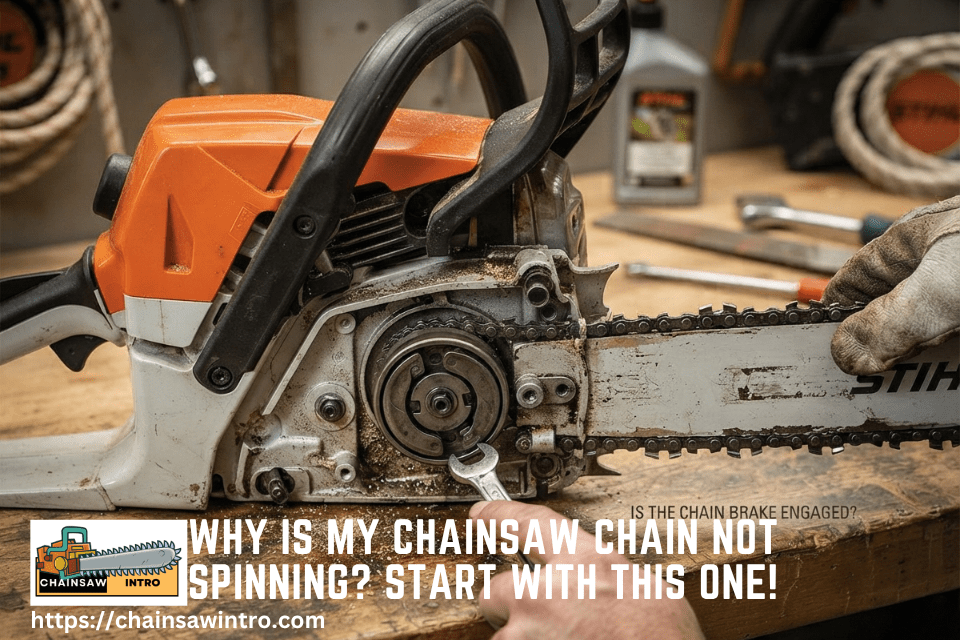

Chain not spinning is frustrating, but there’s a genuinely smart way to narrow this down fast instead of randomly checking things. One simple question splits this problem into two completely different troubleshooting paths, and figuring out which path you’re on saves you a lot of wasted time.
Let’s start there, then work through the right checklist for your specific situation.
This approach gets you to the actual answer faster than checking things in a random order.
Think of it as splitting the problem into two branches right from the start, so you’re never wasting time investigating the chain drive when the real problem is actually the engine, or vice versa.
Quick Answer: First, Confirm the Engine Runs Normally
Before troubleshooting the chain itself, confirm whether your engine or motor runs and revs normally. If it doesn’t, you’re dealing with an engine problem, not a chain issue. If the engine runs fine but the chain still won’t spin, the problem is almost always the chain brake, tension, or the clutch and sprocket.
The First Question: Does the Engine Run and Rev Normally?
This single question determines your entire troubleshooting direction, so it’s worth confirming clearly before doing anything else.
- Start the saw and listen for normal starting behavior and idle
- Squeeze the throttle and confirm the engine revs up smoothly, without hesitation or stalling
- If this all sounds and feels normal, your engine is working fine, and the problem is isolated to the chain drive system specifically
If the engine itself isn’t running normally, that’s actually a completely different category of problem, worth addressing before you spend any time on the chain.
If the Engine Doesn’t Start or Run Normally
This isn’t really a “chain not spinning” problem at all — it’s an engine problem that happens to also prevent the chain from moving, since nothing can spin without a running engine in the first place.
- Check fuel freshness and quality if the engine won’t start
- Check the air filter and spark plug condition if starting is difficult or the engine runs roughly
- If the engine stalls or hesitates under throttle, this points toward a carburetor or fuel delivery issue
Resolving the underlying engine issue is the real fix here, and the chain will spin normally again once the engine itself is running properly.
It’s worth being clear-eyed about this distinction, since spending time inspecting the chain brake or clutch when your actual problem is stale fuel or a dirty air filter just delays getting to the real fix.
If the Engine Runs Fine But the Chain Still Won’t Spin
This is the scenario most people actually mean when they ask this question, and it has a fairly short, specific list of likely causes.
- The chain brake is the most common culprit, and it’s worth checking first every time
- Overly tight chain tension can prevent movement even with the engine running normally
- A derailed chain, off the bar or sprocket, obviously can’t spin regardless of engine performance
- Debris jammed in the bar groove or around the sprocket can physically block movement
- A worn or failed clutch or drive sprocket may not be engaging the chain at all, even at proper engine speed
Work through these in roughly this order, since it moves from the fastest, most common checks toward the more involved mechanical possibilities.
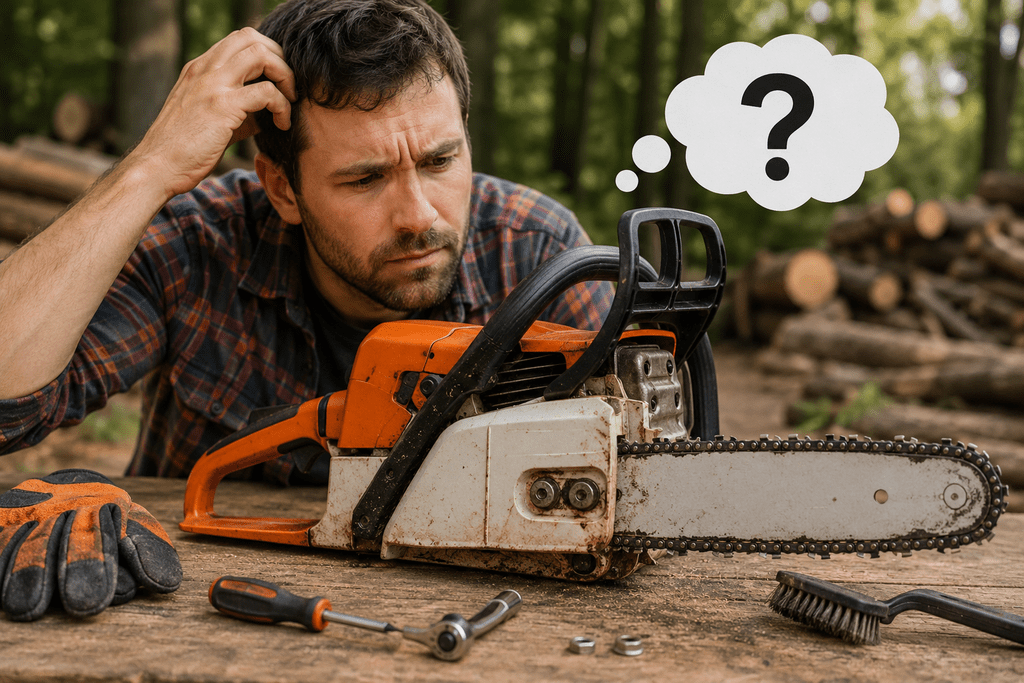
Quick Checks in Order
Here’s the practical sequence to actually work through:
- Check whether the chain brake is engaged, and disengage it if so
- With the saw off, try rotating the chain by hand to check for excessive tightness or binding
- Visually inspect the chain along the bar for derailment or visible damage
- Check the bar groove and sprocket area for packed debris or buildup
- If none of the above explain it, the clutch or sprocket may need a closer inspection
Most cases resolve within the first two or three checks on this list, so don’t assume you’re facing a major repair before working through the simple possibilities first.
It’s worth resisting the urge to jump straight to worrying about a clutch failure or major mechanical problem before you’ve actually confirmed the simple, common causes aren’t the real explanation.
When It’s Genuinely a Clutch Problem!
If you’ve ruled out everything above and the chain still won’t spin with the engine running normally, a clutch or sprocket issue becomes the most likely remaining explanation.
- A worn or broken clutch may not be engaging at all, regardless of engine RPM
- A stripped or damaged sprocket can fail to grip the chain properly even if the clutch itself is functioning
- This typically requires removing the clutch cover for a closer look, which is a reasonable point to consider professional help if you’re not comfortable with that level of disassembly
This is genuinely the least common cause on this list, which is exactly why it belongs at the end of your checklist rather than the beginning.
The Bottom Line
Why is your chainsaw chain not spinning? Start by confirming whether your engine runs and revs normally. If it doesn’t, that’s an engine problem to resolve first. If it does, work through the chain brake, tension, derailment, debris, and finally the clutch or sprocket, in that order.
This branching approach gets you to the real answer faster than randomly checking things, and most cases resolve within the first couple of steps.
Frequently Asked Questions
Why is my chainsaw chain not spinning?
First confirm the engine runs normally. If it does, check the chain brake, tension, derailment, and clutch, in that order.
What if my engine runs but the chain still won’t move?
This points to the chain drive system specifically, most commonly the chain brake, tight tension, or a clutch issue.
Could a bad engine be why my chain isn’t spinning?
Yes, if the engine won’t run or rev properly, the chain can’t spin regardless of its own condition.
What’s the most common reason a chainsaw chain won’t spin?
An engaged chain brake, which is the fastest and most common cause to check and rule out first.
When should I suspect a clutch problem specifically?
Only after ruling out the chain brake, tension, derailment, and debris, since clutch issues are comparatively rare.
Start With the Right Question
Before checking anything else, confirm whether your engine runs and revs normally. That single question tells you exactly which troubleshooting path to follow. From there, work through the chain brake, tension, and derailment checks before assuming you’re facing a bigger mechanical repair. Most of the time, you’ll be back to cutting in just a few minutes.

William C. Bozeman is a seasoned chainsaw expert and outdoor power tool enthusiast with over a decade of hands-on experience in tree cutting, forestry, and property maintenance. Having worked with leading chainsaw brands like Stihl, Husqvarna, and Oregon, Bozeman shares practical knowledge, safety tips, and honest reviews to help homeowners, DIYers, and professionals make informed decisions.
Explore Related posts:
 How Long Does a Chainsaw Bar Last?
 Do Chainsaw Chains Stretch?
 Why Is My Chainsaw Smoking?
 Can Chainsaws Be Stored Vertically? Pros, Cons & Best Storage Practices
 How to Know If Your Chainsaw Bar Is Worn Out? Signs, Tips & Replacement Guide
 How to Tell If Your Chainsaw Sprocket Is Worn Out? Signs, Replacement & Maintenance Tips